
When organizations are investing in self-service kiosks, the majority of the attention goes toward pricing, appearance, software capabilities, or lead times. These factors are important during the purchasing phase, however a lot of buyers underestimate how much kiosk serviceability actually means to a deployment. A kiosk may look good on day one but if it is difficult to maintain, repair, or update, over time it can create problems after deployment.
Kiosk serviceability refers to how easily the hardware and design of a self-service kiosk can be maintained, repaired, upgraded, and supported throughout its lifecycle.
Servicing a kiosk is not only meant for major repairs or needing a technician for maintenance, which will cost businesses the most amount of money. In kiosk deployments, serviceability also includes day to day operational tasks that can be handled by onsite staff or operators.
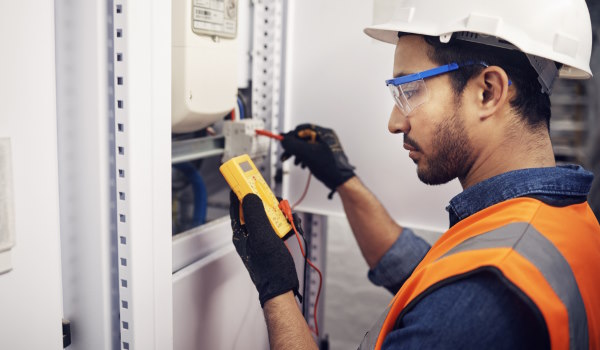
Technical kiosk services focus on the hardware and software side of maintenance. This includes servicing internal components, diagnosing failures, replacing hardware, upgrading components, or repairing issues that require technical support. These types of service tasks are commonly handled by technicians, IT teams, or field service providers.
Operational kiosk services focus more on the everyday interaction employees have with the kiosk during business operations. In many environments, staff members regularly interact with kiosks to complete simple service tasks such as:
Kiosk servicing matters because every kiosk deployment is different and will require unique services. Kiosks are used daily, touched constantly and expected to stay operational in a business environment at all times. No matter how advanced the hardware or software may be, components can wear over time, technology will evolve, and servicing becomes necessary. When a kiosk is difficult to service, normal maintenance tasks can become significantly more time consuming and expensive for the business. Something as simple as replacing game cards or a payment device can become more complicated if technicians or operators struggle to access components. A kiosk that’s designed for easier servicing helps reduce operational disruptions and allows businesses to maintain consistent uptime across their deployment.
Downtime is another reason serviceability is important when it comes to a kiosk deployment. If a kiosk is out of service it can’t help customers, process transactions, check guests in, reload game cards, or complete the task it was designed for. In industries where kiosks are heavily integrated into daily operations, downtime can quickly affect the workflow and customer experience. Long lines, delayed transactions, and failing kiosks can create frustration for both users and staff during peak operating hours. A serviceable kiosk helps reduce downtime because technicians can access issues faster and complete repairs more efficiently.
In addition, internal layouts that are organized and designed for accessibility make it easier to identify the problems, replace components, and return the kiosk to operation. For larger deployments, reducing downtime becomes even more important because maintenance inefficiencies can scale across hundreds or even thousands of kiosks over time.
When businesses evaluate kiosks, the upfront purchasing price often receives the most attention. However, long-term maintenance costs become a part of the total cost of ownership after deployment. Over time, businesses must consider:
A kiosk that is difficult to maintain will often cost more throughout its lifecycle, even if the initial purchase price was lower. Longer repair times, harder component access, inconsistent internal layouts, and complicated servicing can all increase maintenance expenses over several years. For example, if technicians need more time to access and replace common components, service costs can increase across larger deployments. Small inefficiencies that seem minor during the design phase can become larger operational expenses once kiosks are deployed at scale.
Modern hardware also plays a role in kiosk serviceability because many deployments are expected to remain operational for years. As technology evolves, businesses need kiosks that can continue to be supported, upgraded, and maintained without requiring a replacement. Using outdated or cheap hardware can create long-term servicing challenges when components become difficult to source or are incompatible with newer software and technologies. This can lead to increased maintenance, longer repair timelines, and unnecessary hardware replacement costs. Modern hardware helps improve:
As self-service environments continue to grow, buyers are increasingly looking for kiosks that can adapt over time while remaining practical to maintain and support throughout their lifecycle.