
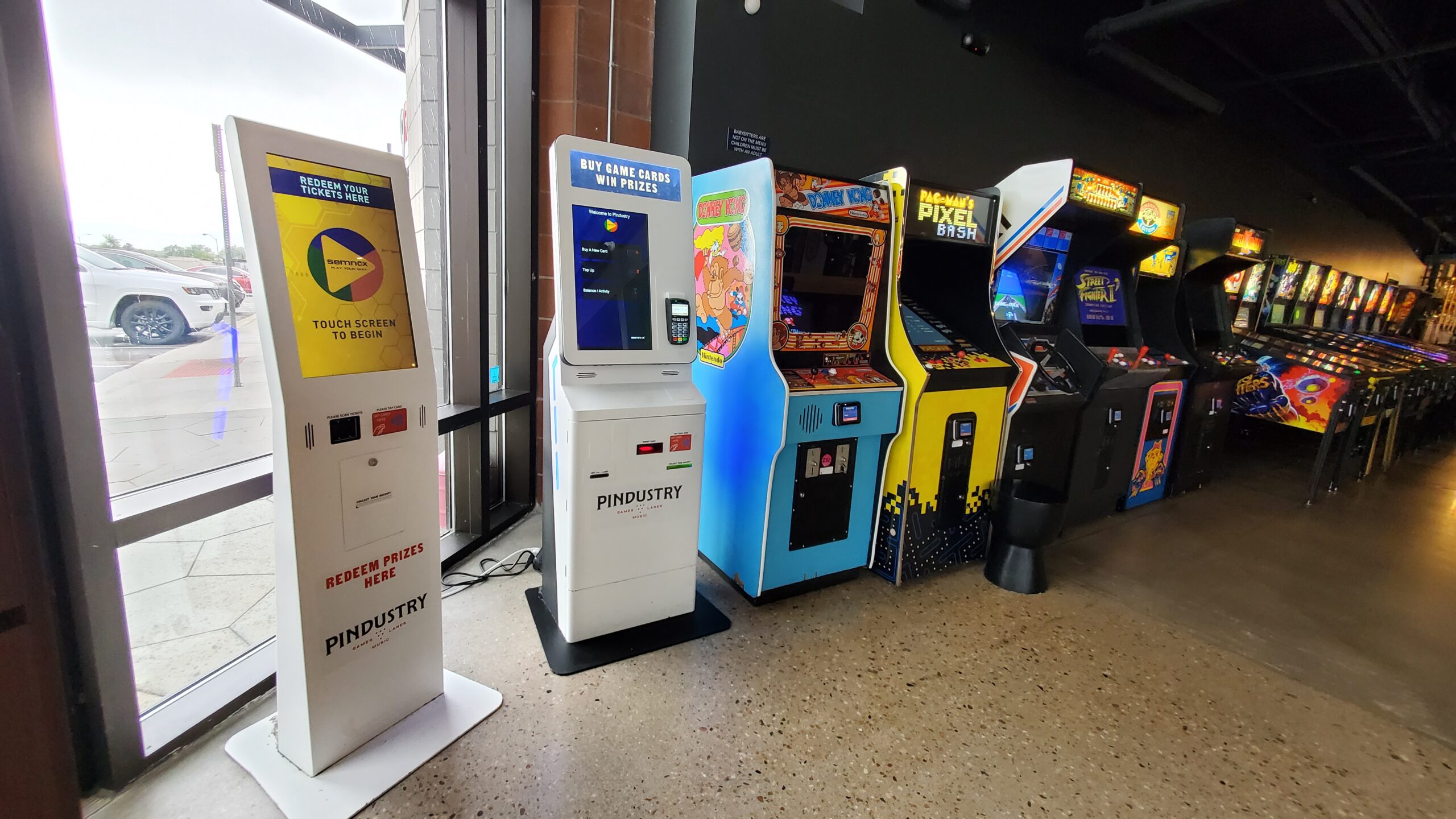
Entertainment venues have changed significantly over the last several years. Modern arcades, bowling alleys, family entertainment centers, and gaming venues are no longer just competing on attractions alone, they are competing on experience, convenience, and operational efficiency. As customer expectations continue to evolve, self-service kiosks are becoming an important part of how these venues improve guest flow while creating a more modern experience.
High traffic entertainment environments face unique operational challenges. Long lines, crowded counters, inconsistent staffing levels, and peak hour congestion can quickly impact the guest experience. Unlike traditional retail environments, entertainment venues depend heavily on maintaining momentum and engagement. The longer guests spend waiting in line, the less time they spend interacting with games, attractions, food, or activities throughout the venue.
One of the biggest operational advantages of self-service kiosks in entertainment venues is reducing transaction speed. Whether guests are purchasing game cards, checking balances, redeeming rewards, or completing admissions, kiosks allow many routine transactions to happen without requiring direct staff interaction. In busy environments, even small reductions in transaction time can have a major impact throughout the day. Faster purchases and shorter lines help venues move guests through the facility more efficiently, especially during evenings, weekends, and large events when traffic peaks.
Self-service technology has become a normal part of everyday life. Consumers now regularly interact with kiosks at airports, restaurants, hotels, retail stores, and healthcare facilities. As a result, guests are starting to expect entertainment venues to offer similar convenience and accessibility. Many customers now prefer self-service because it allows them to complete transactions at their own pace. In entertainment environments, this becomes valuable for younger audiences and families who want quick access to attractions without unnecessary delays. For entertainment operators, kiosks also help create a modern and technology driven atmosphere. The presence of self-service kiosks often reinforces the perception that a venue is updated, organized, and designed around convenience.
While kiosks improve the customer experience, they also help entertainment venues improve operational efficiency for their business. Staff members can focus more attention on customer service, attractions, food operations, troubleshooting, or guest engagement instead of handling repetitive transactions throughout the day. In high traffic venues, operational efficiency can have a direct impact on revenue generation. Faster transactions allow venues to process more guests during peak hours without needing to dramatically increase staffing levels, this becomes important in environments where guest experience directly affects overall profitability.
Entertainment venues have unique demands when it comes to self-service kiosks. Unlike some environments where kiosks are used periodically throughout the day, arcades and family entertainment centers often experience constant interaction from open to close. Due to the extended use, reliability and long-term durability become extremely important when it comes to how the kiosk is built. Downtime during busy operating hours can quickly create customer frustration and operational problems. Kiosks deployed in these environments must be designed for continuous use, easy servicing, and long-term reliability.
Industry trends continue to support the expansion of self-service technology across entertainment and hospitality environments. The family and indoor entertainment market is projected to continue growing substantially over the next decade, while the self-service kiosk industry is also expected to see significant long-term growth. As entertainment venues continue investing in guest experience improvements, self-service kiosks are likely to become an increasingly standard part of arcade and entertainment operations. The role of kiosks is no longer limited to simple transactions, they are becoming part of how entertainment venues improve efficiency, reduce operational costs, and create a smoother overall guest experience in high traffic environments.