
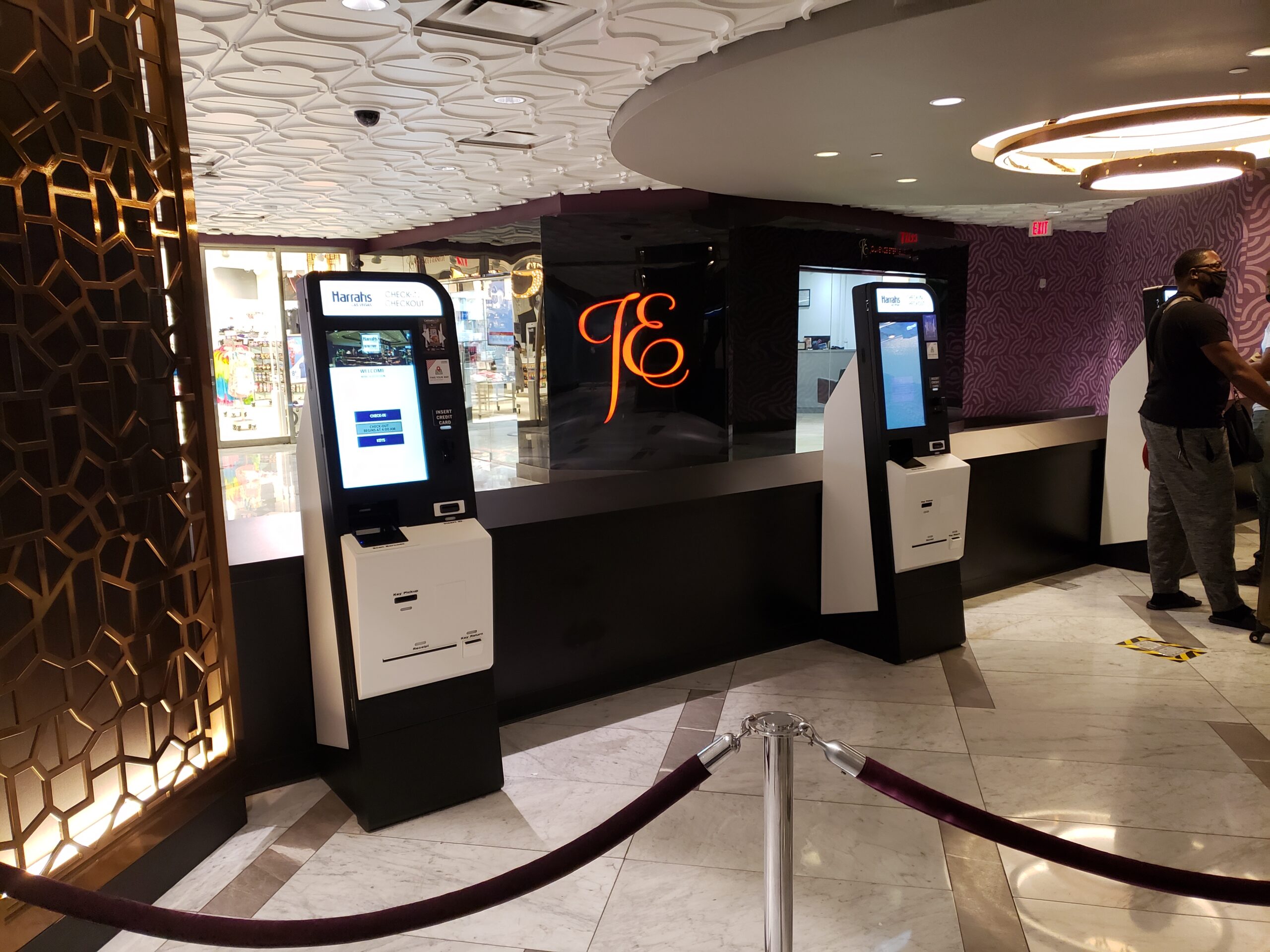
Hotel check-in is often the first real interaction a guest has with a hotel and it sets the tone for the entire stay. Long lines, inconsistent service times, and peak hour congestion can quickly create a negative experience before a guest even reaches their room. Self-service hotel check-in kiosks are designed to address these challenges by streamlining the arrival process, improving operational efficiency, and giving guests more control over how they check in. When implemented correctly, they do more than just speed up lines, they reshape how front desk operations function.
Traditional front desk check-in relies heavily on staff availability and manual processes. During peak hours like late afternoon arrivals, event check-ins, or weekend surges, this model often struggles to keep up. Each guest must be processed individually, which creates bottlenecks as volume increases. Even with experienced staff, delays are common when multiple guests arrive at once. The result is longer wait times, increased pressure on employees, and a less consistent guest experience.
Kiosks automate many of the steps involved with hotel check-in, including reservation lookup, identity verification, payment processing, and room key issuance. By standardizing these processes, hotels can reduce common problems and improve consistency across every guest interaction. This allows front desk staff to focus on higher-value responsibilities rather than managing queues. Instead of being tied up with routine transactions, staff can assist guests with more complex needs, provide recommendations, and handle exceptions more effectively. The operation becomes more efficient without sacrificing service quality for hotel guests.
Modern travelers are getting comfortable with self-service technology, particularly when it offers speed and flexibility. Hotel kiosks allow guests to take control of the check-in process in a way that aligns with their specific preferences. For many guests, the experience improves because they can:
This level of control can significantly impact first impressions, especially for travelers who prioritize efficiency.
A less visible advantage of a hotel check-in kiosk is the consistency it brings to operations. Unlike manual processes, kiosks follow a specific software process every time. This will reduce the likelihood of missed steps, incorrect data, or inconsistencies between staff members. For hotels operating in multiple locations, this consistency becomes even more valuable. It ensures that guests receive a similar experience regardless of where they check in, reinforcing brand standards across properties. Hotel check-in kiosks are not just a convenience, they are are a response to real operational challenges hotels face every day. By reducing wait times, improving efficiency, and giving guests more control, they help hotels deliver a more consistent and streamlined experience.